EUROPE

Kubrat’s Sons: The Founding of the First Bulgarian Empire

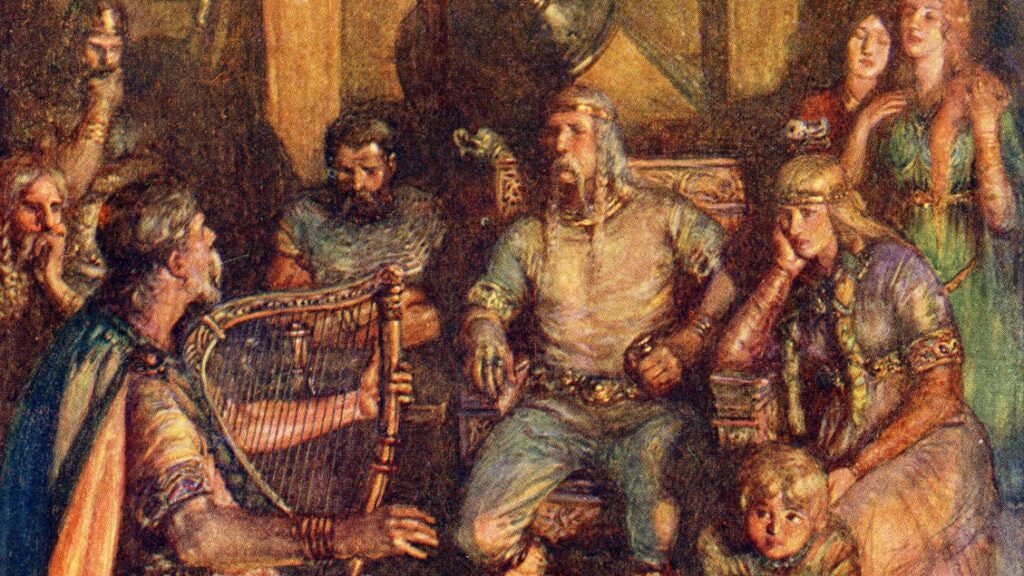
The origin of the modern Bulgarians is associated with Turkic people who in the past inhabited the Caucasus region. From there they gradually migrated westward and southward toward the Balkan Peninsula. Origins Sources concerning the Proto-Bulgarians are relatively scarce, and the study of their history relies heavily on early Byzantine authors. Of particular importance is […]

Kubrat’s Sons: The Founding of the First Bulgarian Empire Read More »

Emperor Constantine and The Serbs: A Byzantine Perspective

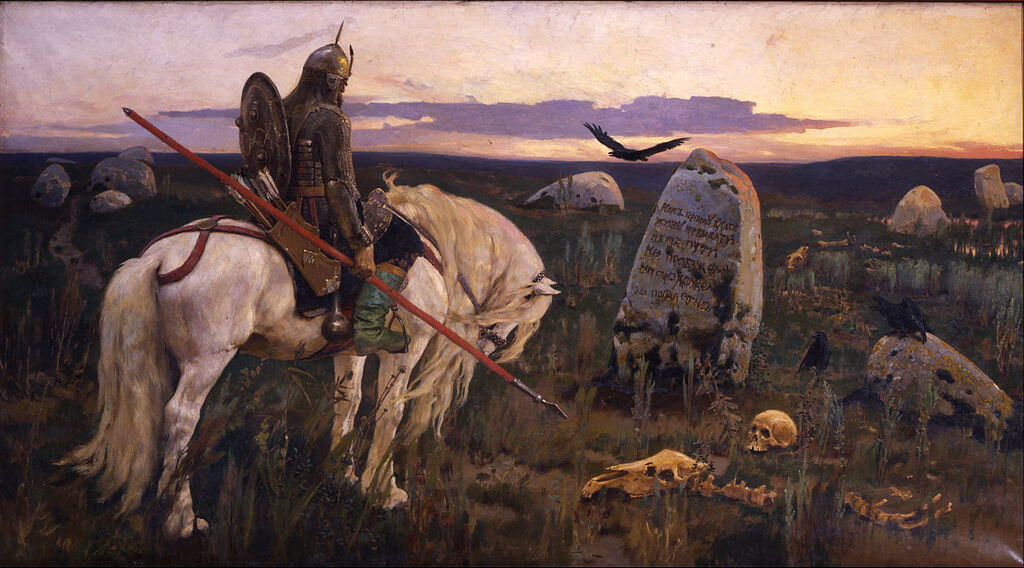
In his work De administrando imperio, Emperor Constantine Porphyrogenitus describes Serbs. According to his statements, Serbs are descended from the so-called White Serbs. Settled “on the other side of Turkey” a name that refers to the modern day Hungary). Serbs called that country Bojki/Boiki. According to some historians, it is Bohemia, which would mean their

Emperor Constantine and The Serbs: A Byzantine Perspective Read More »

Celts in The Heart of Balkan: Exploring the Gallic Invasion

The Celts were part of the Indo-European group of people. Their tribes and groups ranged from the British Isles and northern Spain to as far east as Transylvania, the Black Sea coasts, Anatolia and were partly absorbed into the Roman Empire as Britons, Gauls, Boii, Galatians, and Celtiberians. Linguistically they survive in the modern day Ireland, Highland Scotland, the Isle of Man, Wales, and Brittany. FIRST CELTS IN THE BALKANS In

Celts in The Heart of Balkan: Exploring the Gallic Invasion Read More »

The Influence of Hellenism on the Romans

As Rome expanded, encountering diverse customs and cultures became inevitable. During the state’s expansion, a significant encounter was with Hellenistic culture, which held dominance in the Mediterranean. The influence of Hellenism on the Romans initiated when Roman forces occupied Greek cities. Greek-educated individuals, taken as slaves and brought into Roman households as teachers for Roman

The Influence of Hellenism on the Romans Read More »

LANGUAGES OF THE BYZANTINE EMPIRE

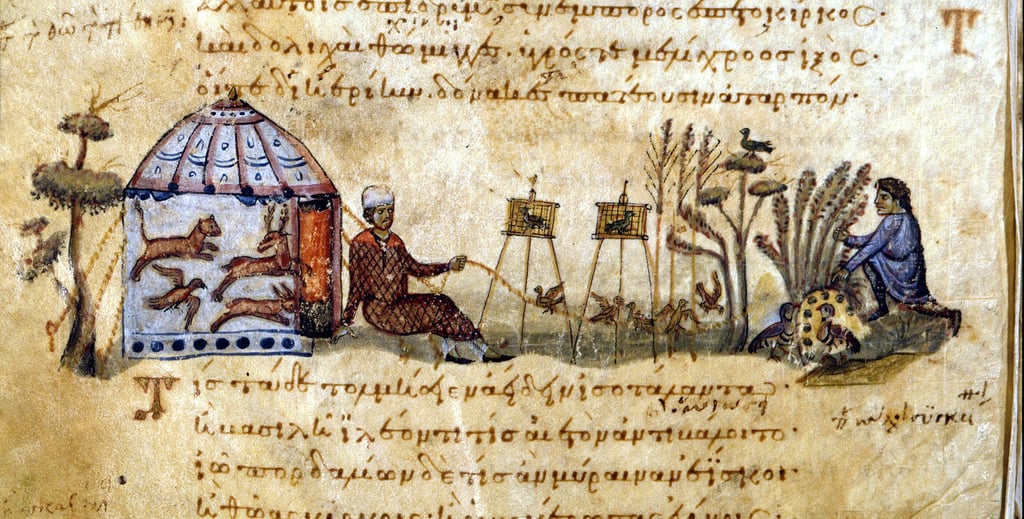
The Byzantine Empire’s language dynamics reflect diverse social phenomena. Byzantium witnessed a diverse population, significant movements, and fluctuations in numbers. The absorption of foreign populations into the Empire, compared to its assimilation power, was notable. In the early Byzantine era, Greek prevailed in the eastern part. From the 2nd century BC, Latin influences varied, dominating

LANGUAGES OF THE BYZANTINE EMPIRE Read More »

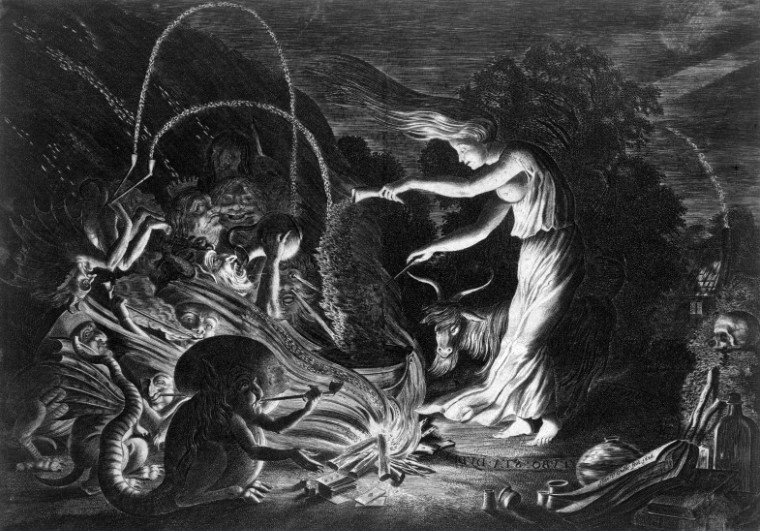
WITCHES IN BALKAN FOLK BELIEF

Witch is an ordinary woman, like all the others, but a woman who is credited with supernatural powers. Only married women or those who have been married can be witches. It was believed that the witch sucks people’s blood and eats their hearts and livers, especially small children. She is extremely cruel to her family,

WITCHES IN BALKAN FOLK BELIEF Read More »