BULGARIA

Kubrat’s Sons: The Founding of the First Bulgarian Empire

The origin of the modern Bulgarians is associated with Turkic people who in the past inhabited the Caucasus region. From there they gradually migrated westward and southward toward the Balkan Peninsula. Origins Sources concerning the Proto-Bulgarians are relatively scarce, and the study of their history relies heavily on early Byzantine authors. Of particular importance is […]

Kubrat’s Sons: The Founding of the First Bulgarian Empire Read More »
LANGUAGES OF THE BYZANTINE EMPIRE

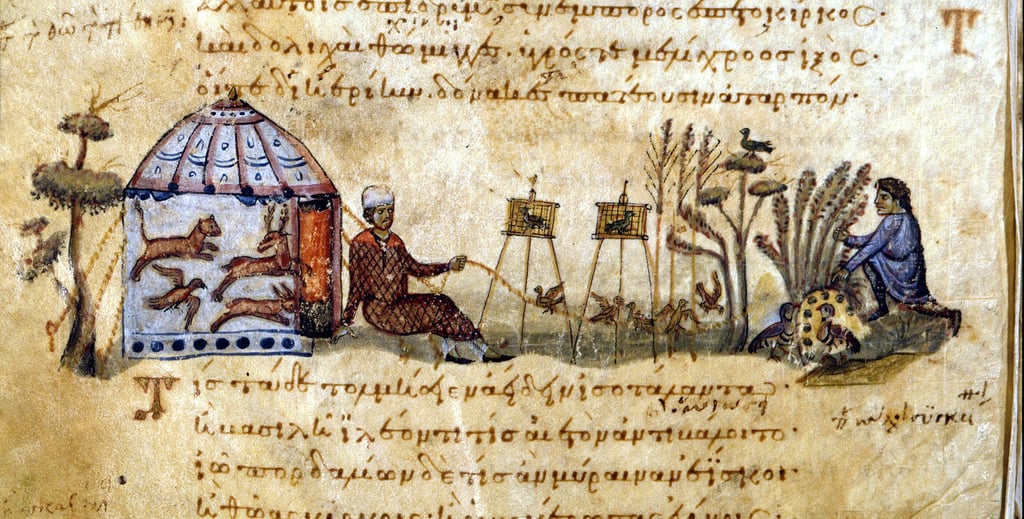
The Byzantine Empire’s language dynamics reflect diverse social phenomena. Byzantium witnessed a diverse population, significant movements, and fluctuations in numbers. The absorption of foreign populations into the Empire, compared to its assimilation power, was notable. In the early Byzantine era, Greek prevailed in the eastern part. From the 2nd century BC, Latin influences varied, dominating

LANGUAGES OF THE BYZANTINE EMPIRE Read More »

Vinča Unveiled: Archaeology Insight

The Vinča culture, an archaeological phenomenon from the Neolithic era, holds significant importance. This culture once spanned a broad geographical area encompassing present-day Serbia, the western parts of Romania and Bulgaria, North Macedonia, and the eastern parts of Bosnia and Slavonia. It derived its name from the site Vinča-Belo Brdo, with the initial excavation conducted

Vinča Unveiled: Archaeology Insight Read More »

The Thracian Horseman

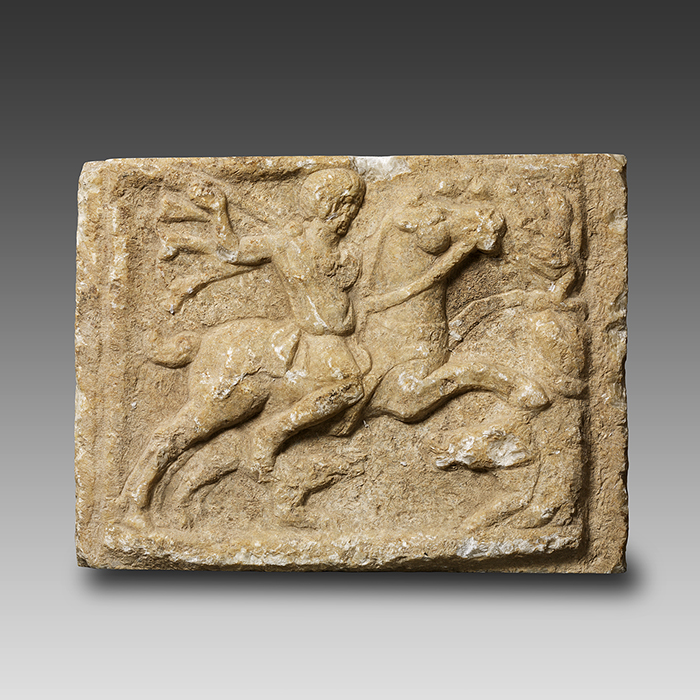
The Thracian Horseman: A Mythical Figure in Balkan Tradition

In addition to their beliefs and traditions, the Slavs, upon settling in the Balkans, assimilated elements of the Balkan tradition. This trend is not unique to the Slavs; it’s a characteristic shared by many peoples. The Romans, when expanding their state beyond the Apennine peninsula, also incorporated foreign cultural elements, albeit selectively. One such cultural

The Thracian Horseman: A Mythical Figure in Balkan Tradition Read More »